




%201.svg)

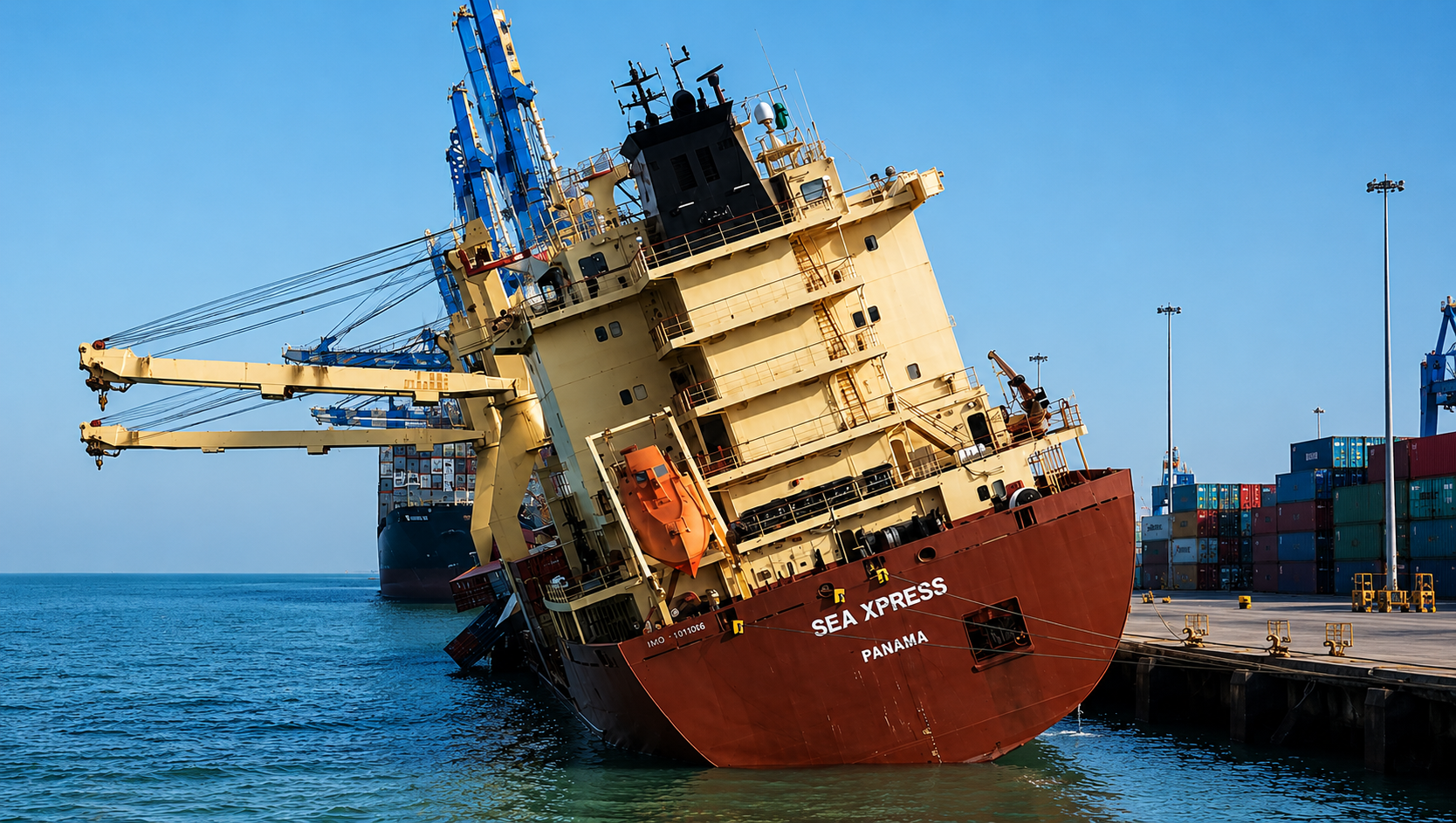
Incident involving SEA XPRESS and the hidden risks of cargo operations
In January 2023, at the port of Mundra, India, during cargo operations, the vessel SEA XPRESS developed a serious list while alongside the berth.
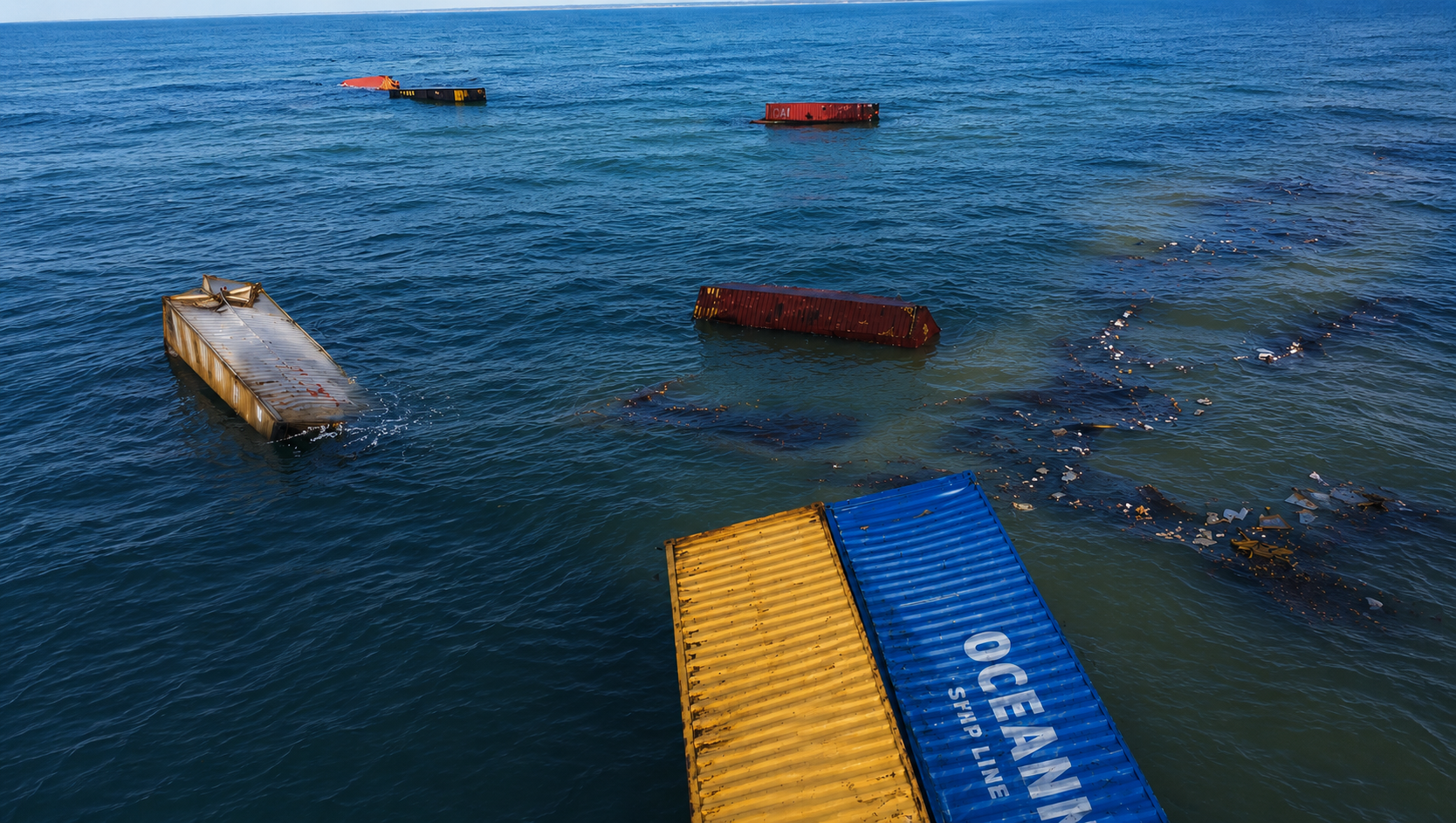
It was reported that part of the containers ended up overboard, leading to water pollution and environmental consequences for the port.
📋 An official detailed casualty report could not be found in open sources, however the incident itself clearly demonstrates several dangerous factors at once:
- asymmetric cargo discharge;
- ballast operations;
- free surface effect;
- reduction of GM;
- possible development of angle of loll.
How can port “efficiency” create a dangerous situation for a vessel?
As noted by one container ship captain, in many ports stevedores are evaluated based on shift productivity. The more containers moved — the better the result.
Because of this, cranes often begin removing containers massively from the berth side of the vessel, since it is faster and allows the port to achieve higher productivity.
Many container vessels are equipped with anti-heeling systems and heeling tanks to compensate list during loading/discharging operations.
However, there is an important nuance.
If three gantry cranes simultaneously remove one 28-ton container each from one side of the vessel, the ship instantly loses about 84 tons of weight from that side. The ballast system is physically unable to compensate for this within a few seconds.
The most dangerous stage - loss of stability
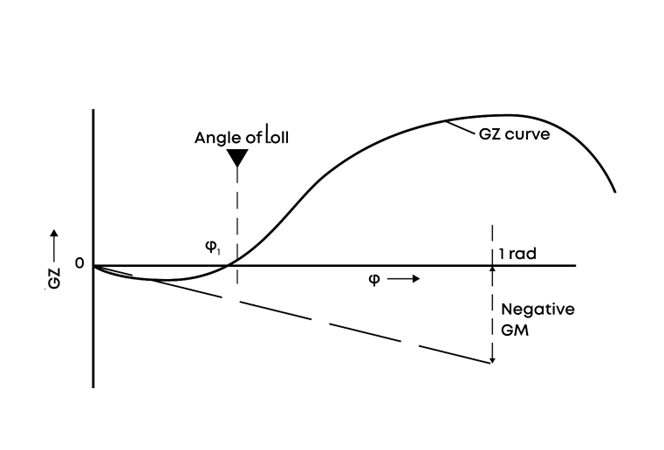
The problem begins when the vessel starts losing initial stability.
This may lead to:
- rapid rolling;
- excessive load on mooring lines;
- cargo shift;
- angle of loll.
In such conditions, the vessel effectively loses positive initial stability, and even small external forces may rapidly worsen the situation.
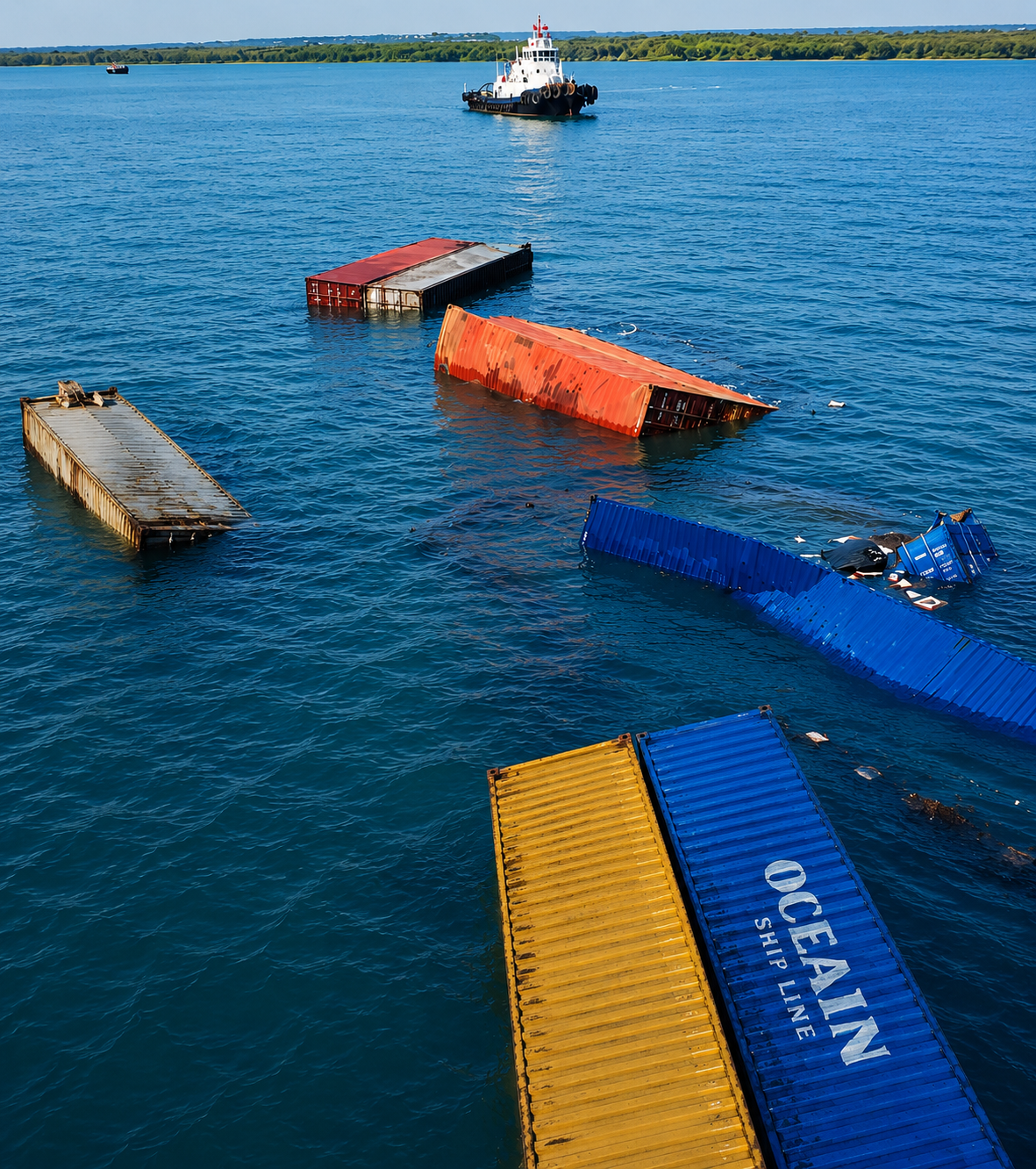
Lessons from the incident
The situation once again shows that:
- ballast operations must be synchronized with cargo sequence;
- anti-heeling systems have physical limitations;
- cargo operations require continuous stability monitoring;
- “fast discharge” should never be more important than safety.
Even a few minutes of improper cargo balance can lead to a serious maritime incident.
Test Your Knowledge
We invite you to explore how Ship Stability knowledge is tested in practice in the GYRO app.
As an example, you can review our Ship Stability – General Knowledge test, which demonstrates the structure and approach used in GYRO tests:
https://app.gyro.team/tests/ship-stability-general-knowledge-4b1cf7c7/
Use the Start Test button above to go directly to the test and check your knowledge.


%201.svg)
Read Similar Articles

.png)
