


AMSA Bans Wooyang Venus for 90 Days Over Falsified Crew Rest Records


A complaint about seafarers' working conditions has led to a 90-day ban on a bulk carrier entering Australian ports. The case raises serious concerns about crew fatigue, repeated Maritime Labour Convention violations, and the effectiveness of onboard safety management.
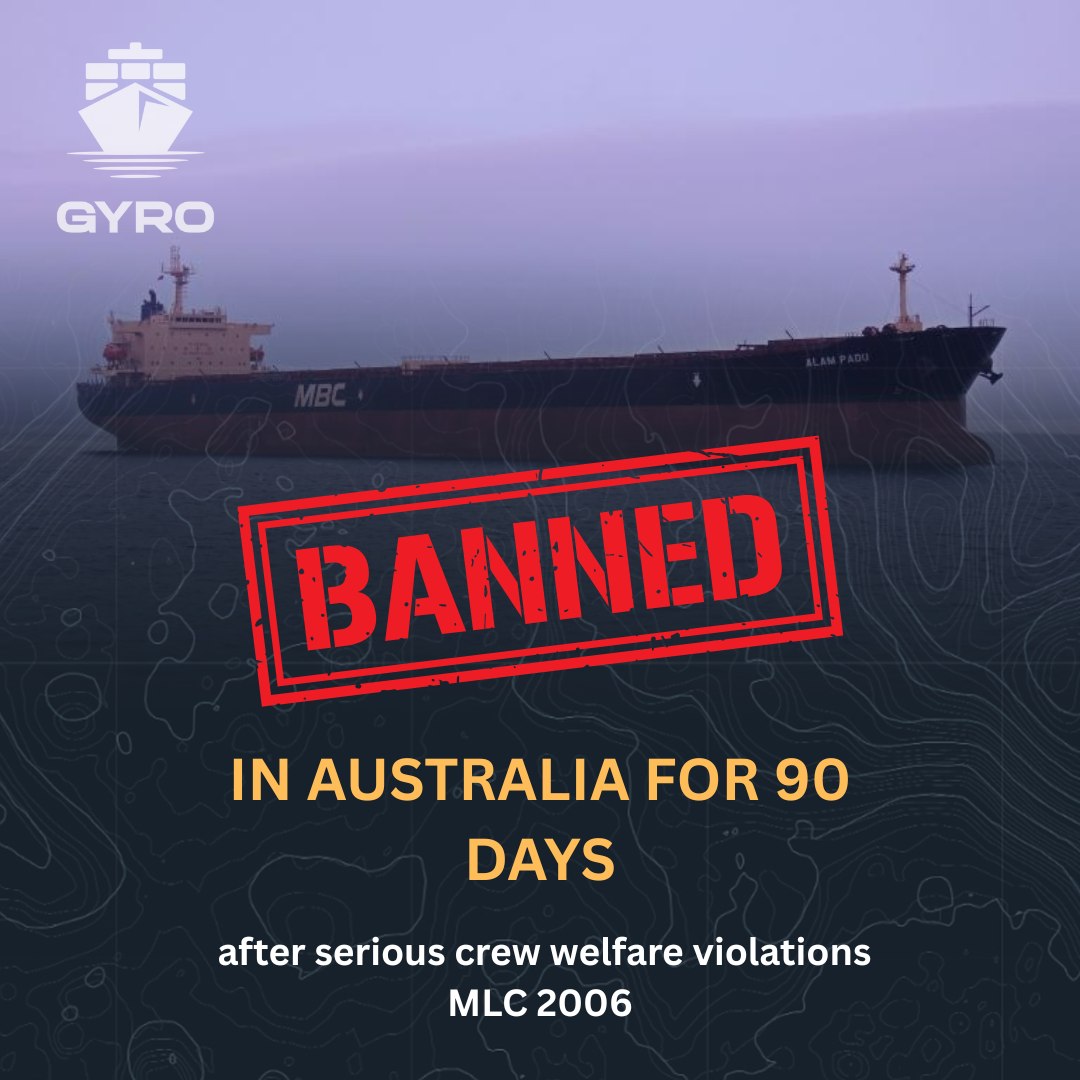
On 3 November 2026, the Australian Maritime Safety Authority (AMSA) announced a 90-day ban on the Marshall Islands-flagged bulk carrier Wooyang Venus (IMO 9285158) after inspectors discovered that crew work and rest hour records had been deliberately falsified. The investigation revealed discrepancies between the hours officially recorded and the time seafarers had actually worked. According to AMSA, the falsification was intended to conceal excessive working hours. This was not the vessel's first detention in Australia. Similar deficiencies had already been identified during previous inspections.
What Happened on Board Wooyang Venus?
On 29 October 2026, AMSA conducted a Port State Control (PSC) inspection in Newcastle, Australia, following a complaint submitted under the Maritime Labour Convention (MLC 2006). During the inspection, authorities discovered that official work and rest records did not accurately reflect the crew's actual working hours. The records had been deliberately altered to conceal excessive working hours and give the appearance that mandatory rest requirements were being met. Such discrepancies are more than administrative errors. Inaccurate records can conceal crew fatigue and prevent inspectors from identifying unsafe working conditions. Fatigue is particularly dangerous during navigation, cargo operations, machinery maintenance and watchkeeping, where reduced concentration or delayed reactions can lead to serious incidents.
A History of Repeated Violations
The October 2026 detention was the third time Wooyang Venus had been detained by AMSA, with work and rest hour irregularities contributing to each case.
- December 2023: Inspectors identified incorrect crew work and rest hour records. Reporting on the earlier investigation also described inadequate food provisions and evidence of physical assault against a seafarer by the vessel's Master.
- August 2026: The vessel was detained again after inspectors found that crew working and resting hours were not being properly recorded or monitored.
- October 2026: Inspectors discovered deliberate falsification of work and rest records, leading to another detention and a subsequent 90-day ban from Australian ports.
The repeated nature of these deficiencies raised concerns about the effectiveness of the shipowner's and operator's safety management arrangements. AMSA imposed the ban under Section 246 of Australia's Navigation Act 2012.
What Does MLC 2006 Require?
The Maritime Labour Convention, 2006, establishes minimum international standards for seafarers' employment, working conditions, accommodation, welfare and rest. Under Standard A2.3, the applicable national framework must establish maximum working hours or minimum rest hours.
RequirementMLC 2006 standardMinimum rest in 24 hours10 hoursMinimum rest in 7 days 77 hoursMaximum work in 24 hours 14 hoursMaximum work in 7 days 72 hoursRest period divisionNo more than two periods, one lasting at least 6 hours
The work-hour and rest-hour limits represent alternative regulatory approaches, subject to applicable national rules and permitted exceptions. Seafarers must also receive copies of their individual daily work or rest records, endorsed by the seafarer and the Master or an authorised representative.
When records are falsified, the official documentation may indicate compliance even when the actual working conditions are unsafe.
Why Accurate Rest Records Matter for Maritime Safety
Working and resting hours are not simply paperwork requirements. They are an essential part of managing fatigue and protecting the safety of everyone on board. AMSA has emphasised that poor fatigue management can impair judgement, reduce alertness and slow reaction times.
This can increase the likelihood of:
- Navigational errors, collisions and groundings
- Mistakes during watchkeeping and machinery operations
- Workplace injuries and unsafe decisions
- Environmental incidents caused by human error
The Wooyang Venus case illustrates the difference between documented compliance and actual working conditions at sea. A vessel may have completed records and procedures on paper, but those documents cannot protect the crew if they do not reflect reality.
Why Seafarer Complaints Matter
One of the most important aspects of this case is that the inspection followed a complaint under MLC 2006. It demonstrates how reporting concerns about working conditions can bring serious problems to the attention of maritime authorities. However, many seafarers remain reluctant to report violations because of concerns about employment, future contracts or possible consequences onboard.
That is why accessible and independent reporting channels are important for the maritime industry.
GYRO Incident Report System - Giving Seafarers a Voice
At GYRO, we believe that safety concerns and violations of seafarers' rights should not remain hidden.
This is why we developed the GYRO Incident Report System - a platform designed to help seafarers report unsafe working conditions, labour rights violations and other serious onboard concerns through participating maritime organisations.
Our reporting network continues to expand, with international organisations including Tokyo MOU and FSUI joining the initiative. Our goal is to make reporting more accessible and strengthen communication between seafarers and independent maritime organisations.
Experienced a safety issue, labour violation or serious problem on board?
Visit GYRO Incident Report System
Ship Reviews: Helping Seafarers Understand Real Conditions Before Joining
Official inspections and incident reports are important, but seafarers' everyday experiences also provide valuable insights into working and living conditions.
Through GYRO Ship Reviews, seafarers can share their experiences and evaluate vessels based on important aspects of life at sea, including:
- Food quality and onboard provisions
- Crew accommodation and living conditions
- Internet access and communication
- Management and treatment of crew
- Overall working environment
These reviews can help other seafarers make more informed decisions before joining a vessel.
Your experience may help another seafarer understand what life on board is really like.
Conclusion: Silence Should Not Be the Only Option
The 90-day ban imposed on Wooyang Venus highlights how repeated failures to protect seafarers can lead to serious regulatory consequences. It also demonstrates the importance of accurate records, effective safety management and accessible complaint mechanisms. For seafarers, the message is clear: concerns about excessive working hours, inadequate rest and unsafe conditions deserve to be heard. At GYRO, we continue developing tools that help seafarers share their experiences, raise concerns and contribute to a safer maritime industry.
The more seafarers report violations and share their experiences, the harder it becomes to ignore the problems that exist at sea.
Train • Sail • Grow


Read Similar Articles